Skipping The Future
Curator: Sining Zhu
Artists:
Raghvi Bhatia, Jose Caldera, Hu Di, Sophia Le Fraga, Rocky Hayden, Schuyler Hazard, Dakota Raine Higgins, Siyan Camille Ji, Erika Keck, Sumire Kudo, Madeline Ludwig Leong, Chinning Liu, Lhamo Yue Liu, Zoe Liu, Quinn Matthews, Moni Marie, Yavan the Moon, Catherine Wang, Zengyi Zhao
Curator Statment
In a report on the quantum eraser experiment, a beam of photons is directed by physicists toward a double-slit apparatus. When unmeasured, the photons behave as waves, overlapping to form delicate interference patterns. Once their paths are marked, the superposition collapses, leaving only isolated, particle-like traces. Yet when those path markers are later “erased,” the distinction dissolves: the photons return to an indeterminate state, and the once-vanished waves reappear. The experiment gestures toward a speculative proposition: reality is not fixed, but shaped by how Information is kept, observed, withheld, or concealed. If the appearance of reality shifts under the act of observation, then time, too, need not be understood as a line marching inevitably forward. Time may be soft—folding under attention, unfurling in moments of neglect. The future is no longer simply a path awaiting us somewhere ahead, but something latent within the present itself—lodged in possibilities that remain unnamed, unchosen, and unconfirmed. Within such a temporal structure, the more precisely the future is imagined, the further we are pushed away from the now. As sociologist Ulrich Beck Writes in Risk Society, “Modern society is increasingly preoccupied with the future and its safety.” Our anxiety, then, is not about the future itself, but about a temporal order that compels us to proceed along a single, linear trajectory. Planning, prediction, and algorithmic optimization continually pull the future forward, making the genuine present increasingly difficult to inhabit.
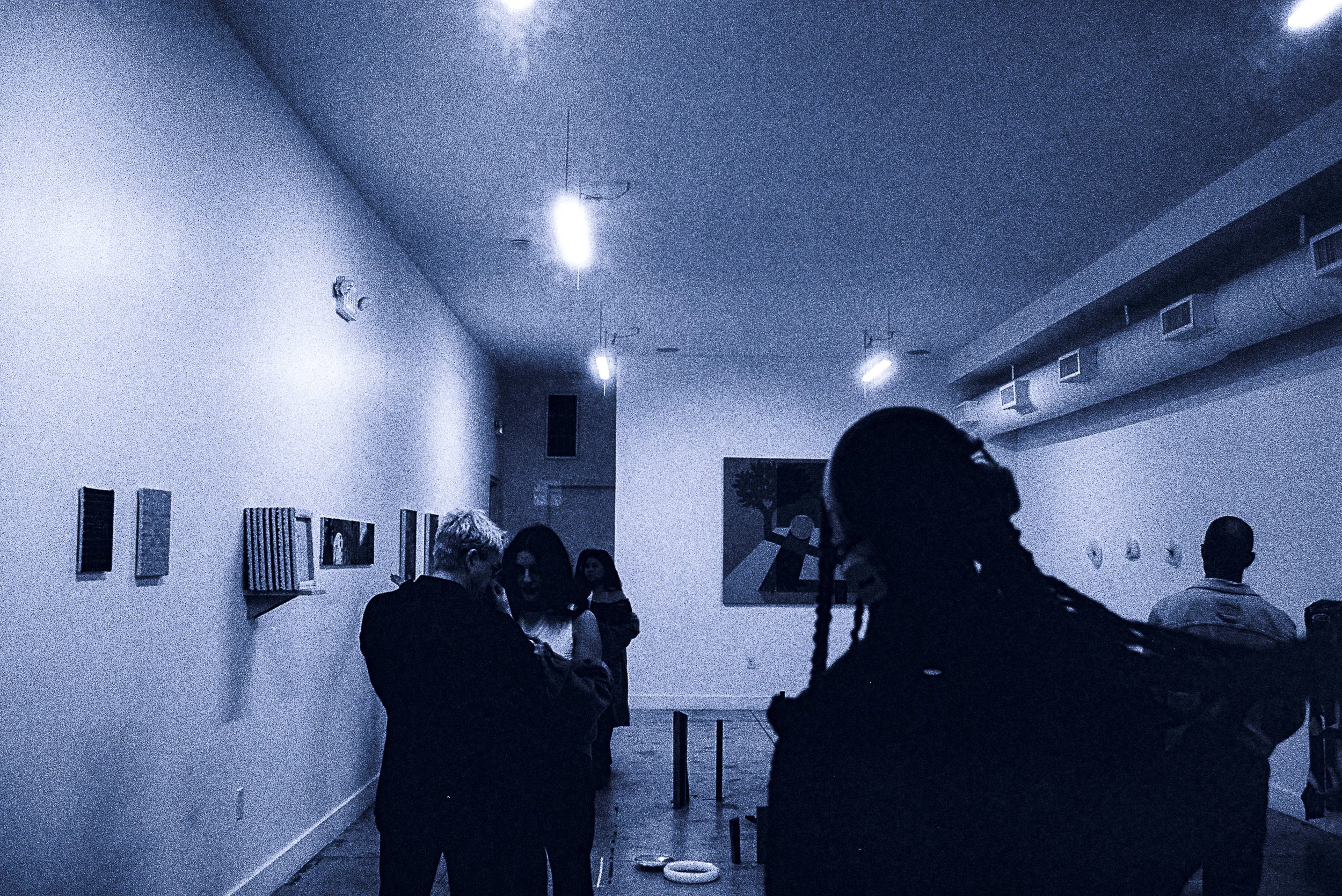
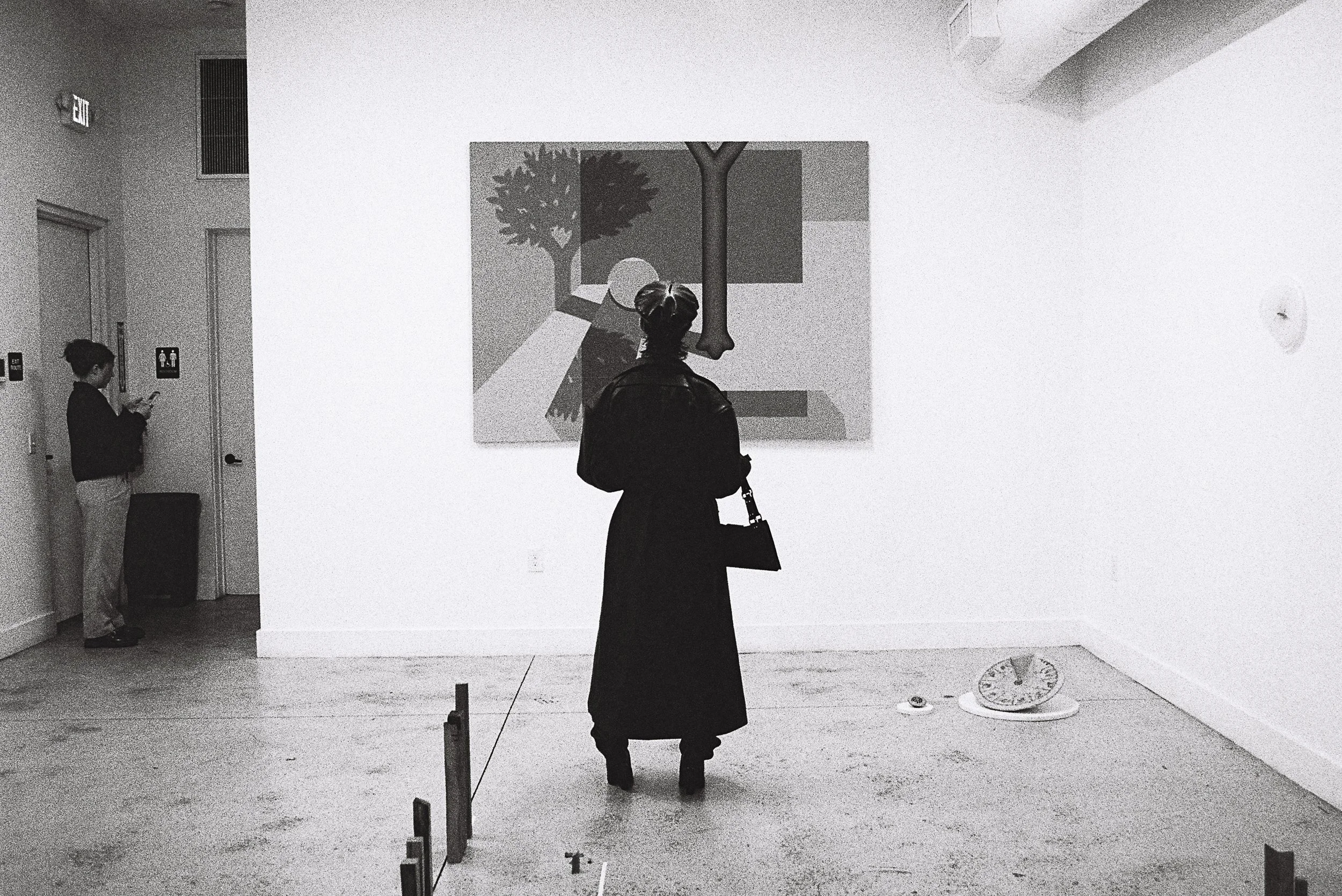
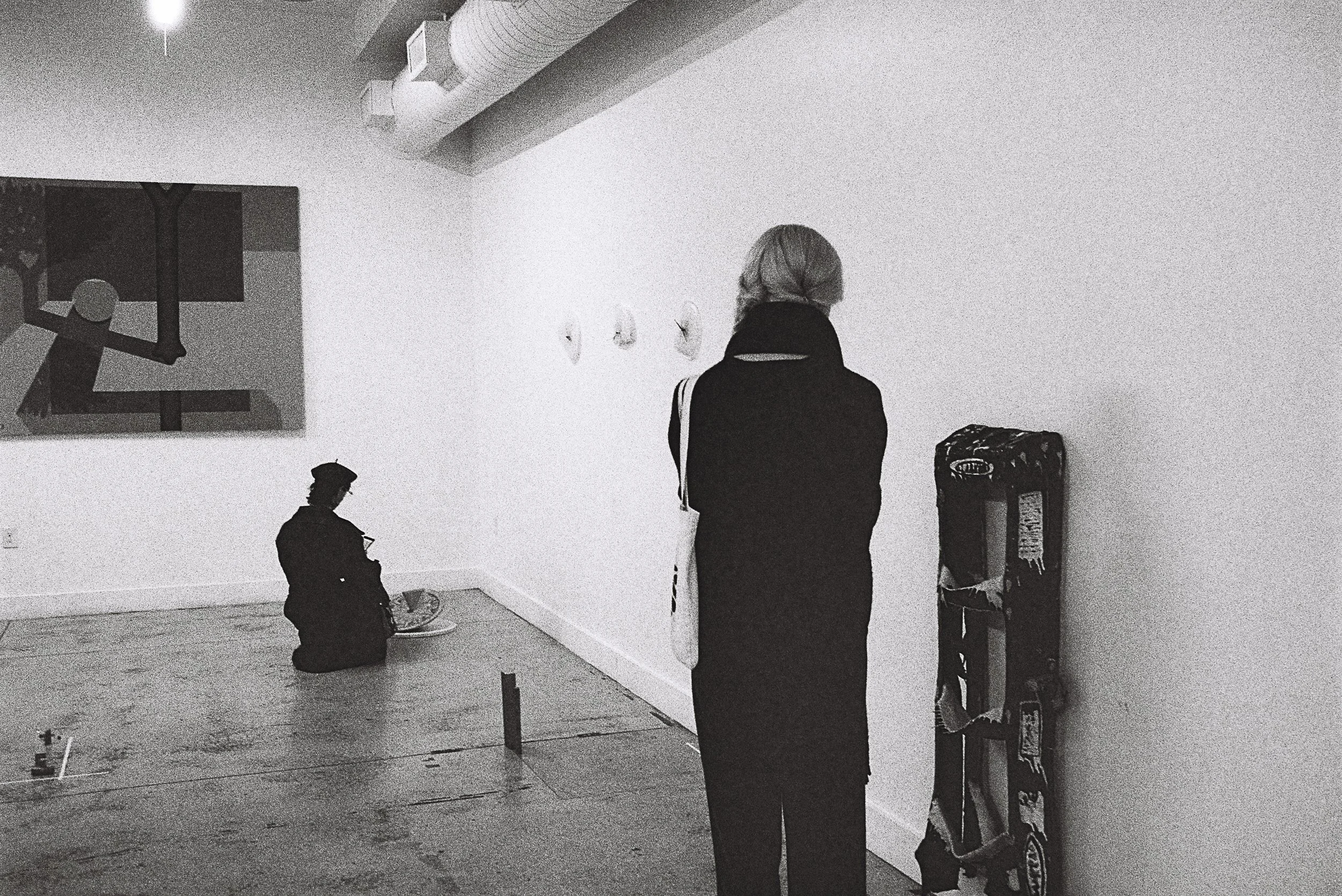
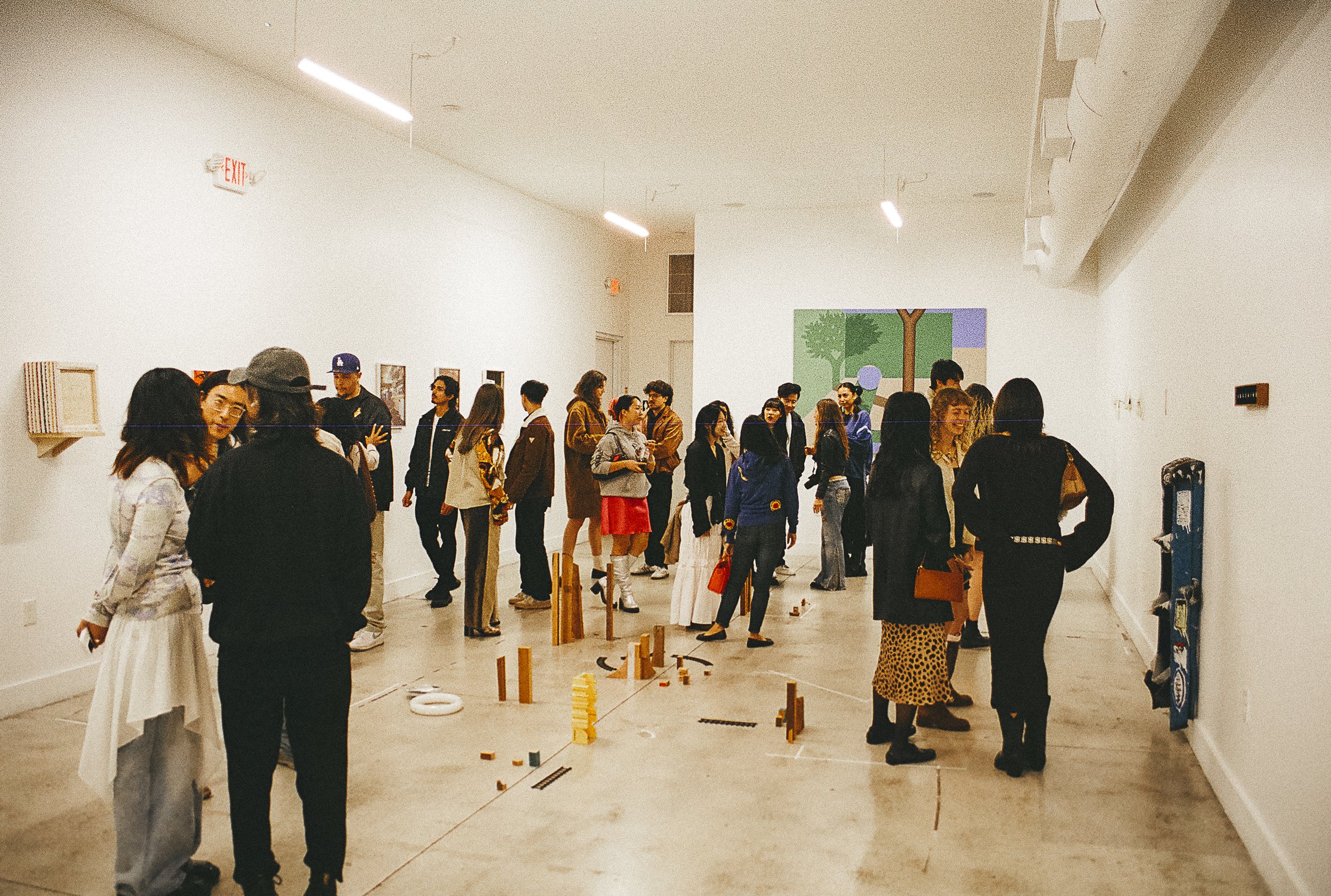
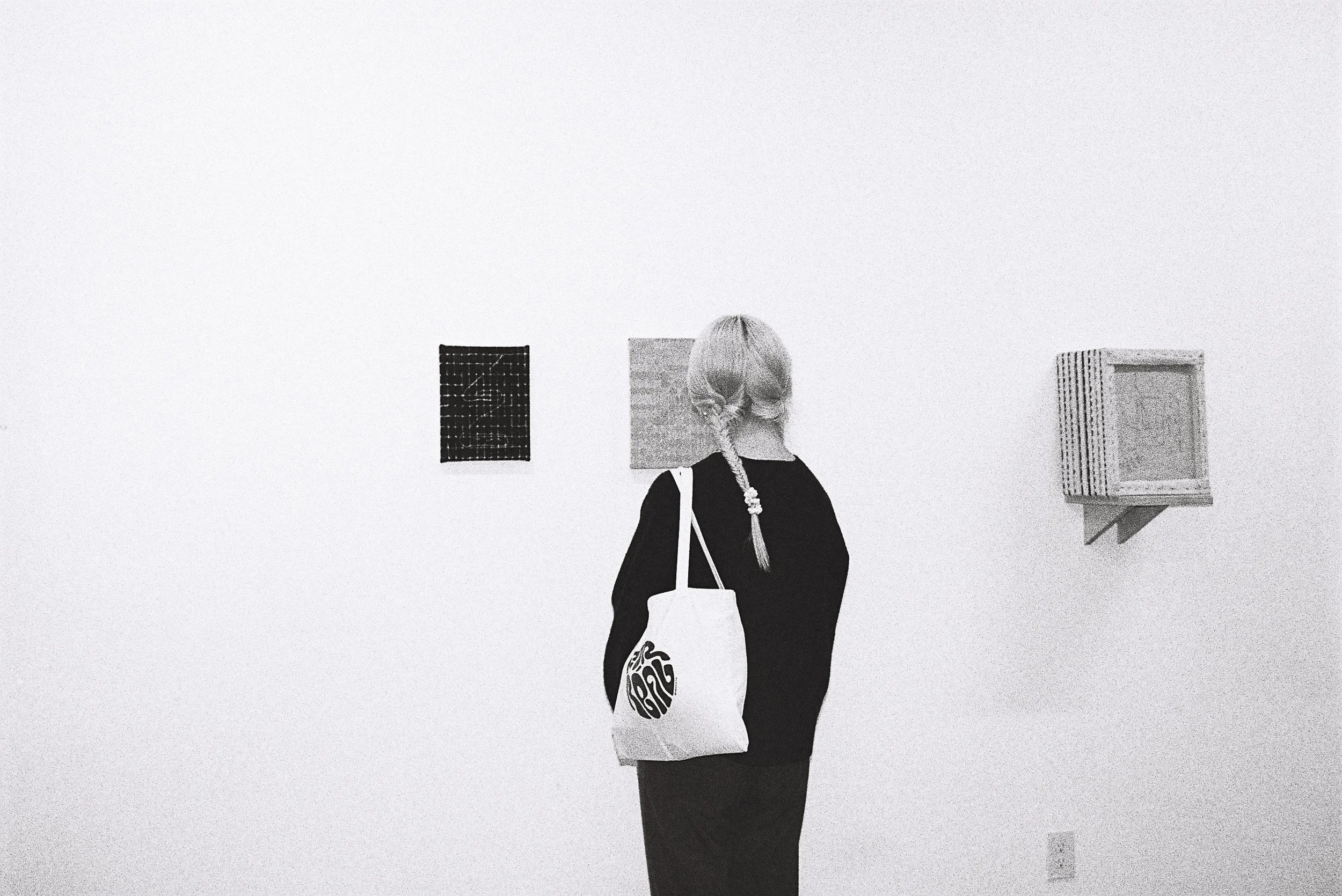
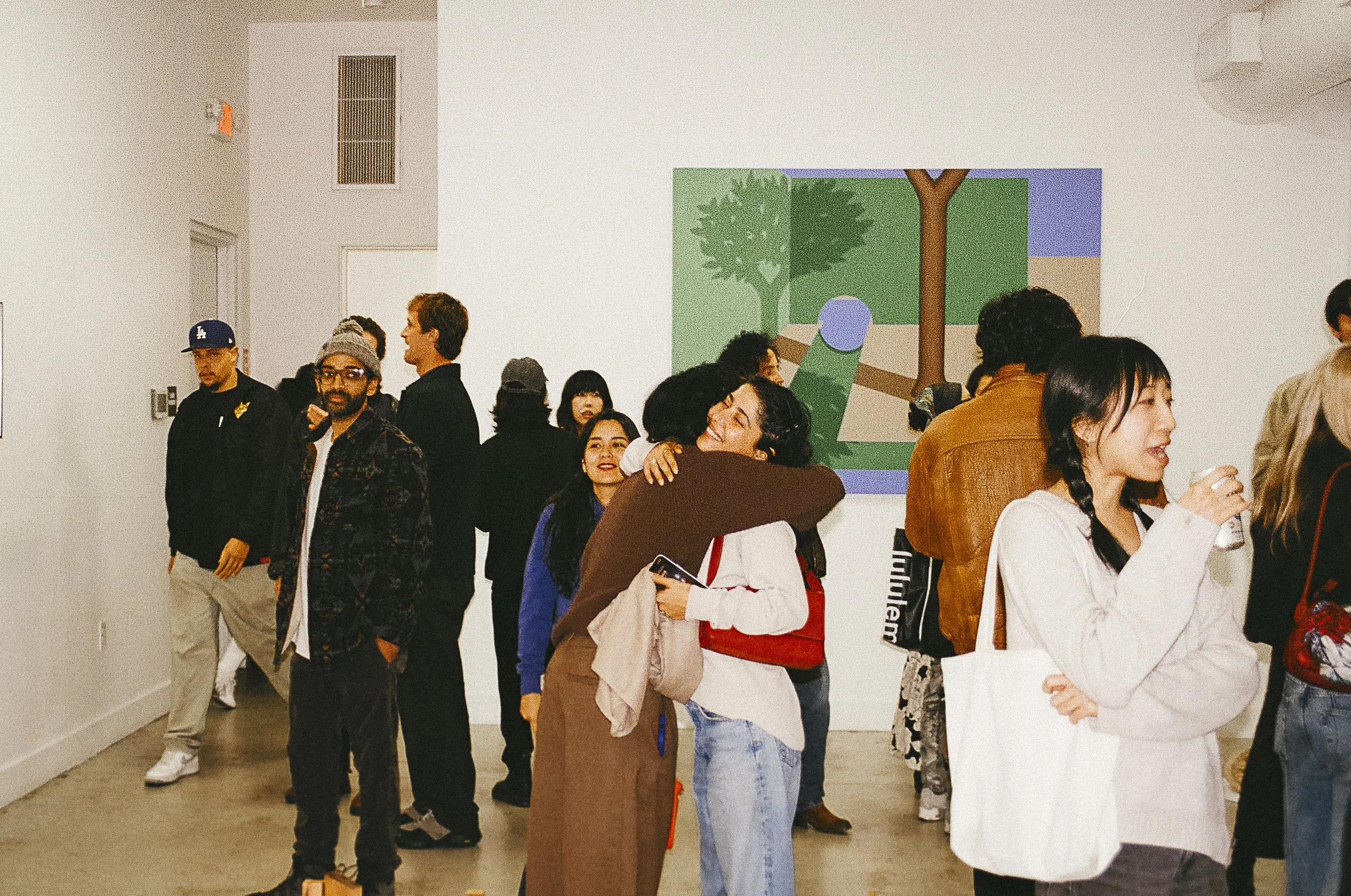
Skipping the Future, therefore, is not a refusal of what is to come, but an act of stepping away from predictive anxiety and returning attention to the lived present. We calculate endlessly for what lies ahead, yet forget how to be with what is here. The artists in this exhibition work across multiple temporalities, media, research-driven practices, and modes of improvisation, transforming the linear construction of future-oriented anxiety into embodied encounters with the present. Their works evoke energies that often go unnoticed, states that remain unresolved, and possibilities that persist in the margins. They also resurface memories misread, obscured, or overlooked in the flow of history—fragments that continue to extend into our now.
Here, “skipping” becomes a way of repositioning oneself. To skip is to momentarily step outside a prescribed timeline. Through diverse gestures that resist time and its governing rules, the artists invite us to re-situate our bodies and attention—to relearn how to exist, how to listen, and how to see within a present woven from countless, quietly intersecting traces of time.